
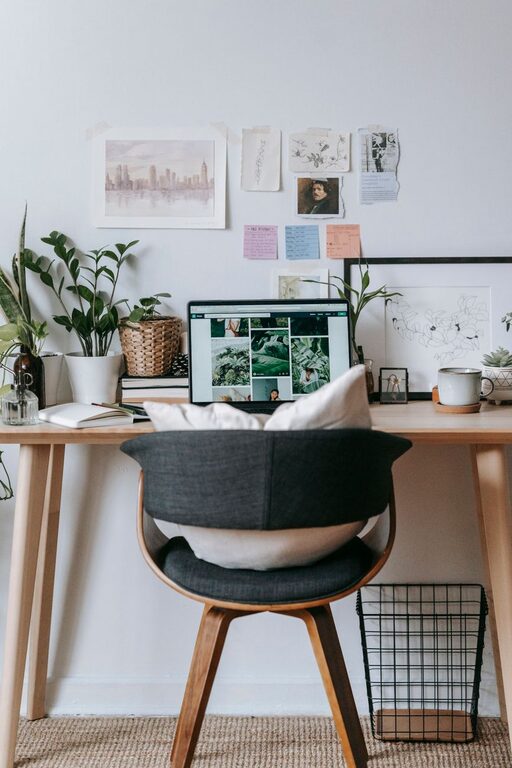
Creating a cozy and functional home office is more important than ever. Whether you’re working from home full-time or just need a dedicated spot for occasional tasks, your workspace should help you stay focused and comfortable throughout the day. In this post, we’ll share practical tips to help you design a home office that balances style and efficiency.
Why a Cozy and Functional Space Matters
A well-designed home office can boost your productivity, reduce stress, and make working from home more enjoyable. When your space feels inviting, you’re more likely to stick to your routine and maintain focus. Plus, good organization helps you find what you need quickly, cutting down on distractions.
Choose the Right Location
Consider Natural Light
Natural light can improve mood and reduce eye strain. Pick a spot near a window if possible, but avoid glare on your computer screen. If natural light isn’t an option, invest in good quality, adjustable lighting.
Minimize Noise and Distractions
Find a quiet corner where you won’t be interrupted by household noise. Noise-canceling headphones or a white noise machine can also help maintain concentration.
Select Comfortable and Supportive Furniture
Ergonomic Chair
Comfort is key when sitting for hours. Choose an ergonomic chair with adjustable height, good lumbar support, and breathable materials.
Desk Size and Height
Your desk should be large enough for your computer, documents, and accessories but not so big that it becomes cluttered. Ensure the height allows your arms to rest comfortably while typing to avoid strain.
Organize Your Space Effectively
Declutter Regularly
Clutter can distract you and reduce productivity. Keep only essentials on your desk and store other items in drawers or shelves.
Use Storage Solutions
Incorporate shelves, filing cabinets, or storage boxes to keep documents and supplies organized. Label containers for easy access.
Cable Management
Use cable clips, sleeves, or ties to keep cords tidy and prevent tangling.
Add Personal Touches to Boost Comfort
Soft Textiles
Include a comfy rug, cushions, or a throw blanket to create warmth and softness in your workspace.
Plants and Greenery
Adding indoor plants can improve air quality and add a natural, calming element to your office.
Artwork and Decorations
Choose inspiring artwork or photos that motivate you, but avoid overcrowding walls to maintain a clean look.
Incorporate Practical Technology
Quality Equipment
Use a reliable computer, keyboard, and mouse that suit your work style. Consider a monitor stand to position your screen at eye level.
Good Lighting
Task lighting, such as an adjustable desk lamp, can reduce eye strain and improve focus during late work sessions.
Wireless Options
Wireless keyboards, mice, and chargers can reduce cable clutter and create a cleaner workspace.
Maintain a Healthy Work Environment
Take Breaks and Move
Set reminders to stand up, stretch, or take short walks, helping reduce fatigue and improve posture.
Air Quality and Ventilation
Make sure your office is well-ventilated and consider using an air purifier if needed to keep the air fresh.
Adjust Your Space as Needed
Your needs may change over time. Don’t hesitate to rearrange furniture, update decor, or upgrade equipment to keep your office inviting and efficient.
Final Thoughts
Creating a cozy and functional home office doesn’t have to be complicated or expensive. By focusing on comfort, organization, and personalized touches, you can build a workspace that supports your productivity and well-being. Start small, and gradually make improvements that suit your work habits and style. Your ideal home office awaits!