
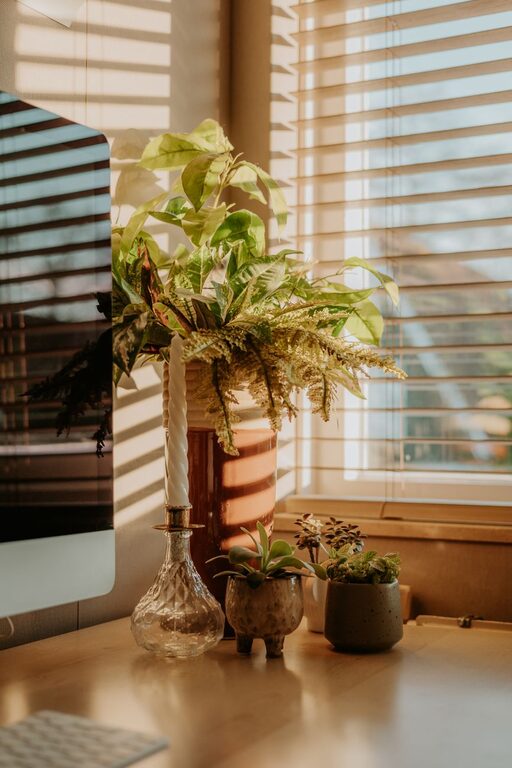
Creating a cozy and inviting home workspace is essential for anyone working remotely or spending significant time at home on projects. A well-designed workspace not only enhances productivity but also supports your well-being by making work feel less like a chore. Whether you have a dedicated room or just a corner to call your office, these tips can help you create a functional and comfortable environment.
Choose the Right Location
When setting up your home workspace, selecting the right spot is key. Ideally, it should be:
– Quiet and free from distractions: Find a place where household noise is minimal.
– Well-lit: Natural light is best, so near a window is ideal.
– Close to power outlets: To easily plug in your computer, lamp, and other devices.
– Adequate space: Make sure there’s enough room for your desk, chair, and any storage you need.
If space is limited, consider flexible setups, such as a foldable desk or a converted bookshelf workspace.
Invest in Comfortable Furniture
Comfort is essential for long hours at your desk. Prioritize ergonomic furniture that supports your posture and reduces strain.
– Chair: Choose an adjustable office chair with good lumbar support.
– Desk: A desk at the proper height helps avoid wrist and neck pain. Adjustable desks or standing desk options can add variety.
– Accessories: A footrest, ergonomic keyboard, and mouse can further improve comfort.
Comfortable furniture encourages focus and reduces the chances of discomfort or fatigue.
Use Soothing Colors and Decor
Colors can influence mood and productivity. Soft, soothing tones tend to create a calm environment. Consider:
– Neutral colors: Soft grays, beige, or white provide a clean and calming backdrop.
– Accent colors: Introduce pastel shades or gentle blues and greens to add personality without overwhelming.
– Personal touches: Display art, plants, or photographs that inspire you and make the space welcoming.
Avoid busy patterns or overly bright colors, which can be distracting.
Maximize Natural Light and Add Layered Lighting
Natural light can boost mood and reduce eye strain. Position your desk near a window if possible, but avoid glare on your screen.
In addition to natural light:
– Task lighting: A desk lamp with adjustable brightness helps during late evenings.
– Ambient lighting: Warm overhead lighting creates a cozy atmosphere.
– Accent lighting: Fairy lights or LED strips can add a soft glow to your space.
Using layered lighting allows you to tailor illumination to different tasks and times of day.
Organize to Reduce Clutter
Clutter can increase stress and reduce focus. Keep your workspace organized with these strategies:
– Storage solutions: Use shelves, drawers, or organizers for supplies and documents.
– Minimal setup: Keep only essentials on your desk.
– Cable management: Use clips or sleeves to keep cords tidy.
– Daily tidy-up: Spend a few minutes at the end of each workday clearing your space.
An organized workspace makes it easier to stay on task and feel relaxed.
Bring in Natural Elements
Adding natural elements can create a soothing environment and improve air quality.
– Houseplants: Small potted plants or succulents add color and life.
– Natural materials: Wood desks or bamboo accessories provide warmth.
– Fresh air: When possible, open windows to let in fresh air.
These touches help create a connection to nature, which can reduce stress.
Incorporate Cozy Textiles
Soft textiles make a workspace feel inviting and comfortable.
– Rugs: A small area rug can add warmth and define your workspace.
– Throw blankets: Keep one handy for chilly days.
– Cushions: Add seat cushions or back pillows for extra comfort.
Textiles also absorb sound, reducing echoes in your workspace.
Personalize Your Space Mindfully
Personalization makes your workspace feel uniquely yours, building a positive emotional connection.
– Include meaningful items like photos, artwork, or motivational quotes.
– Avoid overcrowding to keep a clean, focused environment.
– Change decor seasonally to keep your space fresh and inspiring.
Mindful personalization helps maintain a pleasant and productive atmosphere.
Designate “Work Hours” and Boundaries
Even with a beautiful workspace, boundaries are important to maintain a healthy work-life balance.
– Set specific work hours to avoid overworking.
– Use visual cues, like closing your laptop or turning off your desk lamp, to signal the end of the day.
– Communicate your workspace boundaries to family or housemates.
A well-defined workspace along with boundaries ensures your cozy office serves both productivity and relaxation.
—
By carefully considering your location, comfort, lighting, organization, and décor, you can create a home workspace that feels inviting and supports your best work. Small touches like plants and textiles add warmth and personality without compromising function. Embrace what works for you, and enjoy a workspace that makes you look forward to each workday.